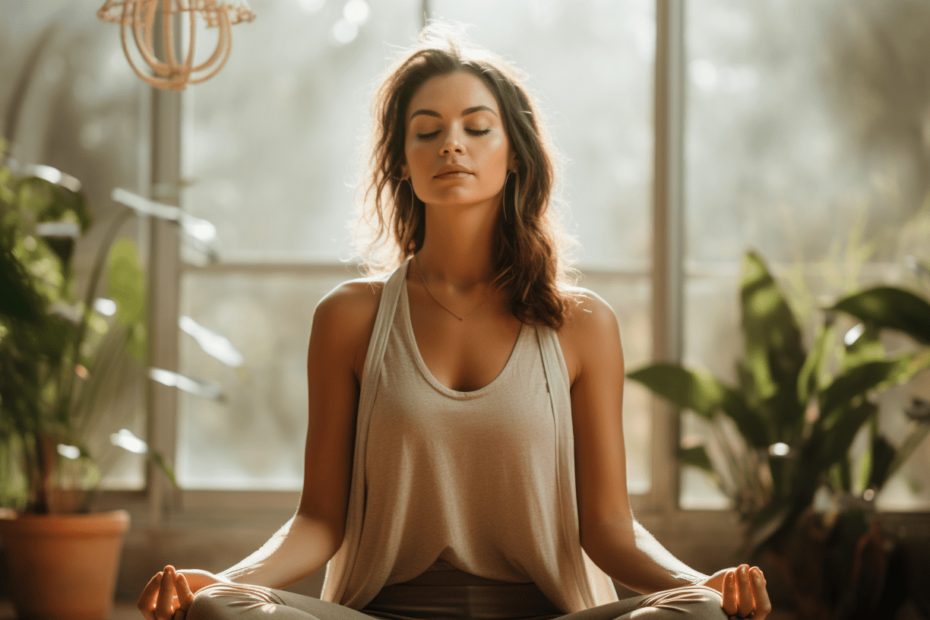
Practicing yoga at home can be a rewarding and convenient way to maintain a consistent yoga routine, offering flexibility in your schedule and a personalized space for introspection and growth. Whether you’re new to yoga or looking to deepen your practice, creating a dedicated practice at home can be simple and transformative. Here’s how to start your journey.
1. Create a Comfortable Space
The first step in establishing a home yoga practice is to create a space that is inviting and free of distractions. You don’t need a large area; just enough room to extend your arms and legs in all directions. Ideally, this space should be quiet, clean, and filled with natural light. Consider adding elements that inspire tranquility, such as plants, candles, or calming artwork.
2. Gather Your Tools
While yoga can be practiced with just a mat, having a few key accessories can enhance your experience. A good quality yoga mat provides cushioning and grip, while blocks and straps can help with alignment and accessibility, especially for beginners. A blanket or bolster can support various poses and aid in relaxation.
3. Choose Your Practice
There’s an abundance of online resources available, from YouTube tutorials to dedicated yoga apps and platforms. For beginners, look for classes labeled as “beginner” or “all levels” to ensure the pace and poses are appropriate. Decide on what you want to focus on—be it flexibility, strength, or mindfulness—and select classes that align with your goals.
4. Set a Routine
Consistency is key in any practice. Set a regular time for your yoga practice, whether it’s in the morning to energize your day or in the evening to unwind. Even just 15-30 minutes can make a significant difference in your physical and mental well-being. Remember, the best practice is the one that happens regularly.
5. Listen to Your Body
One of the most important aspects of practicing yoga at home is learning to listen to your body. Without a teacher physically present to guide you, it’s crucial to pay attention to how each pose feels. Avoid pushing into pain or discomfort. Yoga is not about perfection but about exploration and connection with yourself.
6. Cultivate a Mindful Practice
Yoga is more than just physical postures; it’s a practice of mindfulness and presence. Begin each session with a few minutes of meditation or deep breathing to center yourself. Try to maintain this mindful awareness throughout your practice, focusing on your breath and the sensations in your body. This mindfulness aspect is what truly differentiates yoga from other forms of physical exercise.
7. Stay Inspired
Practicing at home means you’re your own teacher, so it’s important to stay inspired. Follow yoga instructors on social media, join online communities, or read yoga blogs and books to deepen your understanding and keep your practice fresh. Don’t be afraid to try new styles of yoga or meditation techniques to see what resonates with you.
8. Be Patient and Kind to Yourself
Finally, remember that yoga is a personal journey that unfolds over time. Some days you may feel flexible and strong, while on others, you might feel tight or tired. Be patient and kind to yourself, celebrating your progress without judgment. Yoga is a lifelong practice that offers new insights and challenges at every level.
Conclusion
Practicing yoga at home can be a deeply rewarding experience, offering the flexibility to tailor your practice to your personal needs and schedule. By creating a comfortable space, setting a routine, and approaching your practice with mindfulness and self-compassion, you can build a meaningful and sustainable yoga practice. Remember, the journey of yoga is one of continuous learning and growth, both on and off the mat.